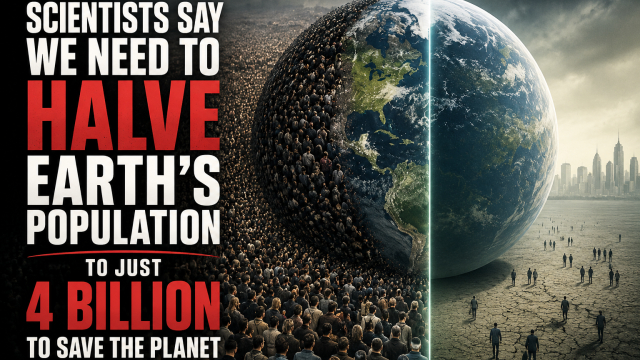
Scientists Propose Cutting Global Population in Half to Protect the Planet
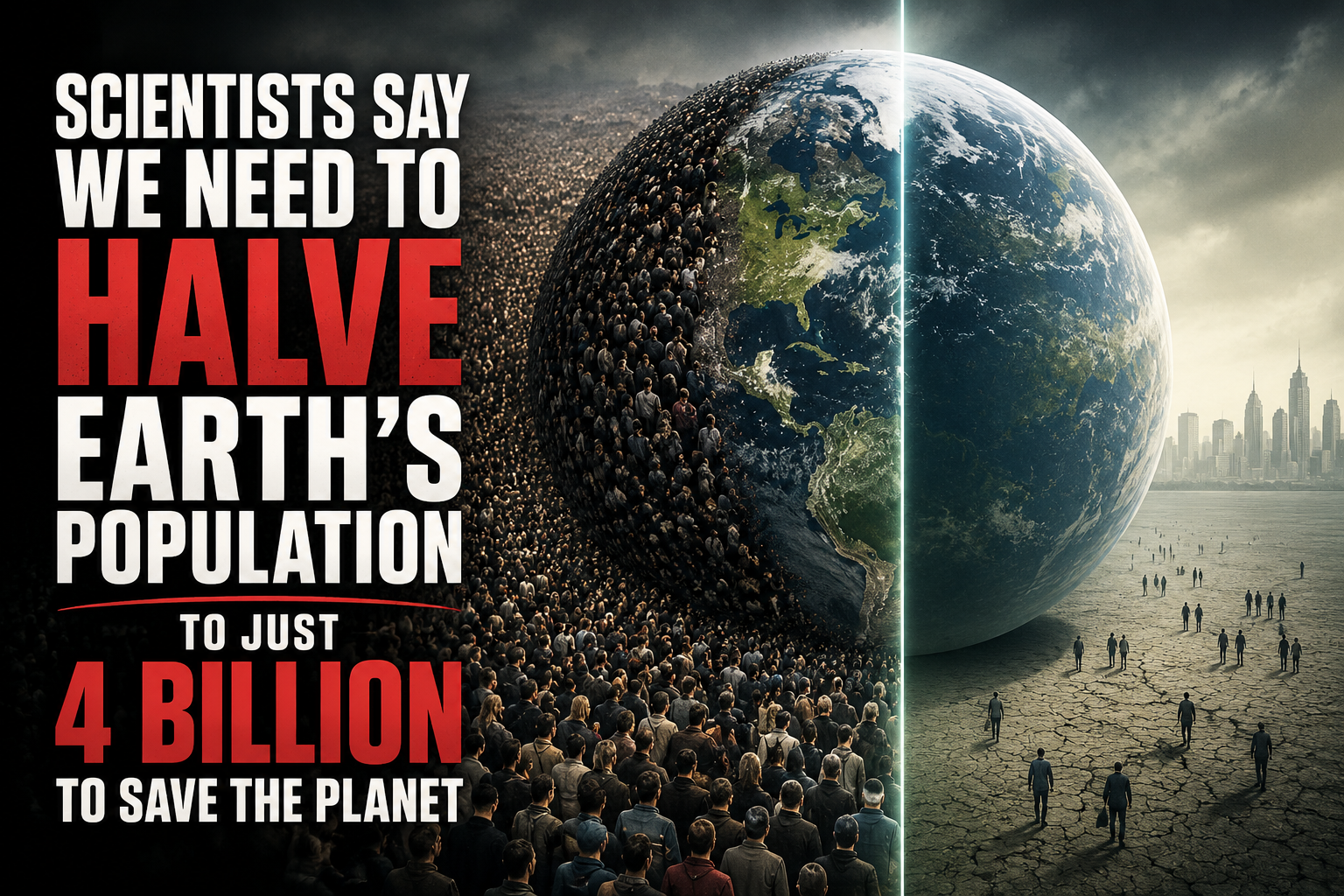
Scientists Debate Calls to Reduce Earth’s Population as Global Concerns Rise: A Biblical Perspective on the Value of Human Life
Recent discussions among scientists and environmental researchers about reducing the world’s population have reignited a broader debate about humanity’s future, resources and the direction of global policy. For Christians watching the signs of the times, these conversations raise important questions about how society views human life, who determines the value of individuals, and what Scripture says about God’s design for mankind.
A recent article circulating in the scientific community has highlighted proposals and scenarios involving a significantly smaller global population as a possible solution to environmental challenges. Some researchers have argued that reducing population growth could ease pressure on natural resources, while others have warned about the ethical and societal consequences of such ideas.
For believers, the discussion is not simply about numbers. It touches on foundational questions about human dignity, stewardship and the role of God’s sovereignty over creation.
Population Control Discussions Raise Questions About Humanity’s Future
Scientists Debate Whether Fewer People Would Help the Planet
For decades, some environmental thinkers have expressed concern that population growth could strain food supplies, energy resources and ecosystems. One widely discussed concept has been the idea of preserving large portions of the planet for nature, sometimes referred to as the “Half-Earth” proposal. Researchers have noted that implementing such conservation goals could affect areas where large numbers of people currently live.
Other population studies have explored scenarios where humanity’s numbers could decline dramatically due to a combination of factors such as resource limitations, economic instability, pandemics or major global disruptions. However, researchers emphasize that many of these projections are hypothetical models rather than predictions of what will certainly happen.
The distinction is important. Scientific models can help identify possible challenges, but they do not determine humanity’s destiny.
The Debate Over Population Often Centers on Resources
Much of the discussion surrounding population reduction is based on concerns about sustainability and consumption. Some researchers argue that fewer people would place less pressure on the planet’s resources, while critics question whether technological innovation, responsible stewardship and improved resource management provide better solutions.
Throughout history, humanity has faced predictions of catastrophic shortages, yet innovation and human creativity have often changed outcomes. From a biblical perspective, mankind’s ability to create, cultivate and develop was part of God’s original design.
Genesis 1:28 records God’s command to humanity:
“Be fruitful, and multiply, and replenish the earth, and subdue it.”
The biblical view is that human beings are not a burden on creation but are uniquely made in the image of God.
A Biblical View of Human Life and the End Times
Scripture Warns of Global Crises, But God Remains Sovereign
The Bible does describe a future marked by increasing global instability. Jesus warned in Matthew 24 of wars, famines, pestilences and widespread deception that would characterize the period leading up to His return.
“For nation shall rise against nation, and kingdom against kingdom: and there shall be famines, and pestilences, and earthquakes, in divers places.” — Matthew 24:7
Believers should pay attention to these developments, but Scripture does not instruct Christians to live in fear. Instead, prophecy points to God’s ultimate authority over history.
The rise of global conversations about resources, sustainability and international cooperation also reminds Christians to watch carefully how nations respond to crises. The Bible describes a future system involving increased global coordination and authority, particularly in passages such as Daniel and Revelation.
Learn more about how current events connect to Bible prophecy through Endtime Ministries’ Bible prophecy resources(Link: https://www.endtime.com).
The Value of Human Life Is Central to the Biblical Worldview
One concern many Christians have with population-control discussions is the potential shift from stewardship into viewing human beings primarily as a problem to be managed.
Scripture presents a very different picture. Humanity was created intentionally by God, and every person has inherent worth because they bear His image.
Psalm 139:14 declares:
“I will praise thee; for I am fearfully and wonderfully made.”
This does not mean believers ignore environmental responsibility. Christians are called to be wise stewards of the earth. But stewardship begins with recognizing that people—not simply resources or ecosystems—are part of God’s creation.
What Should Christians Watch Moving Forward?
Global Solutions May Lead to Greater Global Authority
As the world faces challenges involving climate, economics, food supplies and security, there will likely be increasing calls for international cooperation and unified solutions.
The Bible warns that the final days will include a growing system of worldwide influence and authority. While Christians should not label every international initiative as a fulfillment of prophecy, believers should remain aware of trends that align with biblical warnings about centralized power.
Believers Should Respond With Discernment, Not Fear
The Christian response to these discussions should not be panic or hostility. Instead, believers should seek truth, examine information carefully and remain grounded in Scripture.
Jesus instructed His followers to recognize the times while continuing to live faithfully:
“See that ye be not troubled: for all these things must come to pass, but the end is not yet.” — Matthew 24:6
Conclusion: God, Not Man, Holds the Future
Debates about population, resources and global sustainability will likely continue as nations search for solutions to worldwide challenges. Christians should engage these conversations thoughtfully, recognizing both the importance of responsible stewardship and the biblical truth that human life has value because it comes from God.
The future of humanity is not ultimately determined by scientific models, political systems or international organizations. Scripture reminds believers that God remains in control.
As the world faces uncertainty, Christians are called to remain watchful, prayerful and confident in the promise that God’s purposes will prevail.
 https://www.endtime.com/wp-content/uploads/2026/08/ChatGPT-Image-Aug-4-2026-at-04_41_26-PM-1.png
1024
1536
Mika Harris
https://www.endtime.com/wp-content/uploads/2022/08/Endtime-Small-Logo-Blue.png
Mika Harris2026-08-04 16:48:332026-08-04 16:48:33Scientists Propose Cutting Global Population in Half to Protect the Planet
https://www.endtime.com/wp-content/uploads/2026/08/ChatGPT-Image-Aug-4-2026-at-04_41_26-PM-1.png
1024
1536
Mika Harris
https://www.endtime.com/wp-content/uploads/2022/08/Endtime-Small-Logo-Blue.png
Mika Harris2026-08-04 16:48:332026-08-04 16:48:33Scientists Propose Cutting Global Population in Half to Protect the Planet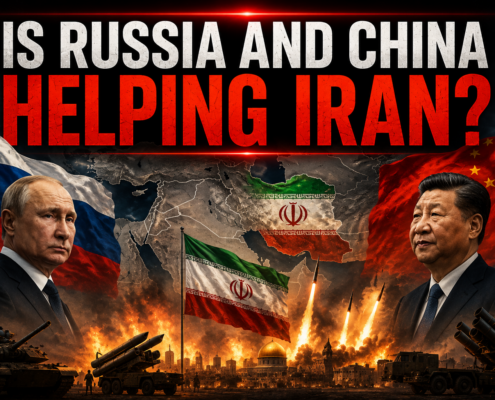 https://www.endtime.com/wp-content/uploads/2026/08/Is-Russia-and-China-Helping-Iran.png
1024
1536
Bryan Smith
https://www.endtime.com/wp-content/uploads/2022/08/Endtime-Small-Logo-Blue.png
Bryan Smith2026-08-04 16:48:172026-08-04 16:48:17Is Russia and China Helping Iran?
https://www.endtime.com/wp-content/uploads/2026/08/Is-Russia-and-China-Helping-Iran.png
1024
1536
Bryan Smith
https://www.endtime.com/wp-content/uploads/2022/08/Endtime-Small-Logo-Blue.png
Bryan Smith2026-08-04 16:48:172026-08-04 16:48:17Is Russia and China Helping Iran?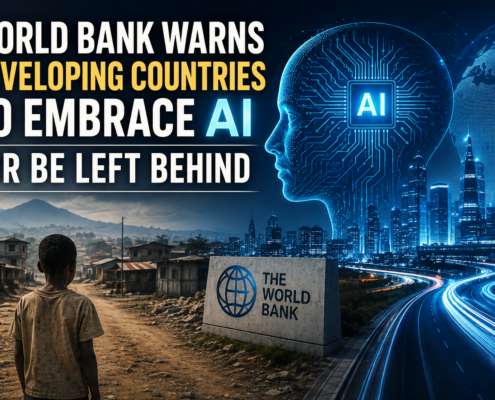 https://www.endtime.com/wp-content/uploads/2026/08/ChatGPT-Image-Aug-4-2026-at-04_29_06-PM-1.png
1024
1536
Mika Harris
https://www.endtime.com/wp-content/uploads/2022/08/Endtime-Small-Logo-Blue.png
Mika Harris2026-08-04 16:37:322026-08-04 16:37:32World Bank Urges Developing Nations to Embrace AI or Risk Being Left Behind
https://www.endtime.com/wp-content/uploads/2026/08/ChatGPT-Image-Aug-4-2026-at-04_29_06-PM-1.png
1024
1536
Mika Harris
https://www.endtime.com/wp-content/uploads/2022/08/Endtime-Small-Logo-Blue.png
Mika Harris2026-08-04 16:37:322026-08-04 16:37:32World Bank Urges Developing Nations to Embrace AI or Risk Being Left Behind
Leave a Reply