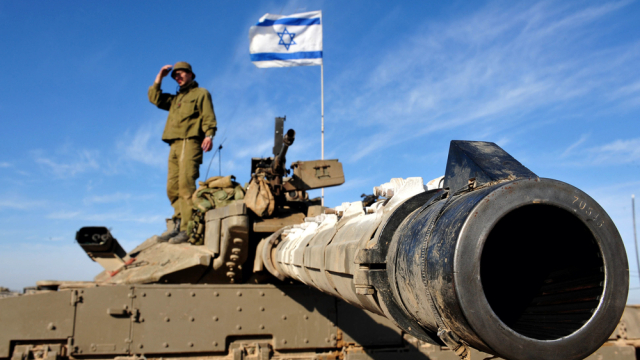
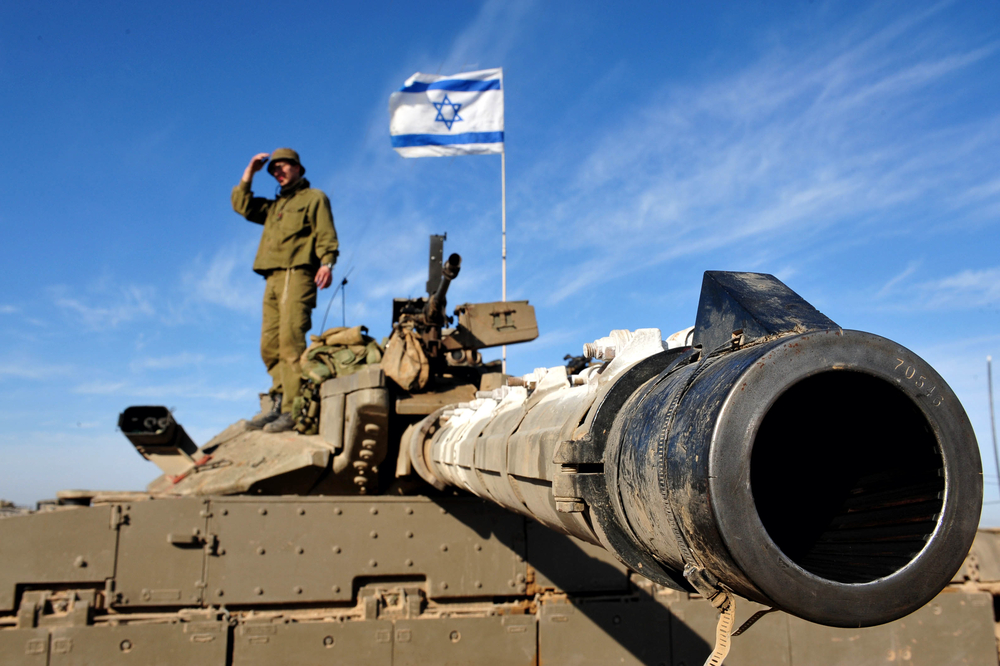
The IDF has reportedly shifted into a readiness posture similar to those seen in the days leading up to previous campaigns against the Islamic Republic. Military sources cited by Ynet, speaking anonymously, said the move signals growing concern over potential escalation.
Under Zamir’s directive, all units have been instructed to maintain elevated operational readiness, reduce response times and address any existing gaps. Planning and execution processes are also being accelerated, the sources said.
U.S. and Iranian officials failed to reach an agreement after 21 hours of negotiations in Islamabad, U.S. Vice President JD Vance announced Sunday morning while in Pakistan.
“We’ve had a number of substantive discussions with the Iranians. That’s the good news,” Vance told reporters. “The bad news is that we have not reached an agreement, and I think that’s bad news for Iran much more than it’s bad news for the United States of America.”
Just hours before that announcement, Israeli Prime Minister Benjamin Netanyahu said the campaign against Iran and its regional proxies was “not yet over,” despite what he described as “historic accomplishments” during 40 days of fighting.
In a televised address Saturday night, Netanyahu warned that Israel still has “more to do” and remains committed to eliminating the threat posed by Tehran’s remaining missile stockpiles and enriched uranium.
“There is still enriched material in Iran,” Netanyahu said, adding that, as President Donald Trump has indicated, “it needs to be removed—either through agreement or by other means.” He also emphasized what he described as unprecedented cooperation between Israel and the United States.
An Israeli source told Kan News that if fighting resumes, the next phase could involve “severe and comprehensive” strikes, including potential attacks on national infrastructure, energy facilities and oil production.
Despite the breakdown in talks, Pakistani media reported that the two-week ceasefire between Washington and Tehran is expected to remain in place until its scheduled expiration on April 21, coinciding with Israel’s Memorial Day.
Meanwhile, the southern Israeli city of Ashkelon announced Sunday that it is canceling Memorial Day ceremonies and Independence Day celebrations, citing the fragile ceasefire and ongoing security concerns.
Israel and the United States launched their joint campaign against Iran on Feb. 28. President Trump later announced a temporary ceasefire on April 7 following discussions with Pakistani leadership, who urged restraint.
Trump stated that if Iran agrees to fully reopen the Strait of Hormuz, the United States would suspend military action for a two-week period.

 https://www.endtime.com/wp-content/uploads/2026/04/shutterstock_152030825.jpg
666
1000
Mika Harris
https://www.endtime.com/wp-content/uploads/2022/08/Endtime-Small-Logo-Blue.png
Mika Harris2026-04-14 10:53:372026-04-14 10:53:37Report: Israel Raises Military Readiness After Iran Talks Collapse
https://www.endtime.com/wp-content/uploads/2026/04/shutterstock_152030825.jpg
666
1000
Mika Harris
https://www.endtime.com/wp-content/uploads/2022/08/Endtime-Small-Logo-Blue.png
Mika Harris2026-04-14 10:53:372026-04-14 10:53:37Report: Israel Raises Military Readiness After Iran Talks Collapse https://www.endtime.com/wp-content/uploads/2026/04/shutterstock_2695655707.jpg
750
1000
Mika Harris
https://www.endtime.com/wp-content/uploads/2022/08/Endtime-Small-Logo-Blue.png
Mika Harris2026-04-14 10:41:522026-04-14 10:41:52Report: China Prepares to Supply Air Defense Systems to Iran
https://www.endtime.com/wp-content/uploads/2026/04/shutterstock_2695655707.jpg
750
1000
Mika Harris
https://www.endtime.com/wp-content/uploads/2022/08/Endtime-Small-Logo-Blue.png
Mika Harris2026-04-14 10:41:522026-04-14 10:41:52Report: China Prepares to Supply Air Defense Systems to Iran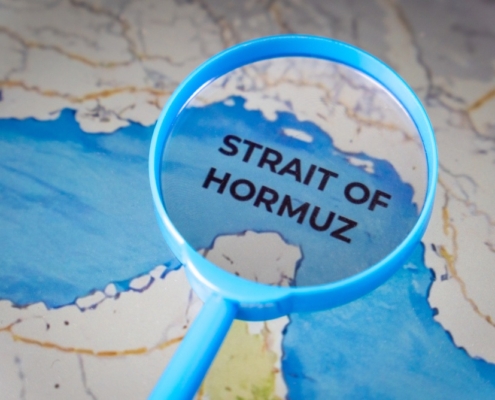 https://www.endtime.com/wp-content/uploads/2026/04/shutterstock_2763513105.jpg
668
1000
Mika Harris
https://www.endtime.com/wp-content/uploads/2022/08/Endtime-Small-Logo-Blue.png
Mika Harris2026-04-14 10:21:542026-04-14 10:21:54“Fully Locked and Loaded”: President Trump Announces U.S. Navy Blockade of Strait of Hormuz
https://www.endtime.com/wp-content/uploads/2026/04/shutterstock_2763513105.jpg
668
1000
Mika Harris
https://www.endtime.com/wp-content/uploads/2022/08/Endtime-Small-Logo-Blue.png
Mika Harris2026-04-14 10:21:542026-04-14 10:21:54“Fully Locked and Loaded”: President Trump Announces U.S. Navy Blockade of Strait of Hormuz
Leave a Reply