
Iran says Strait of Hormuz is ‘open’ as Trump says US blockade will continue until deal reached
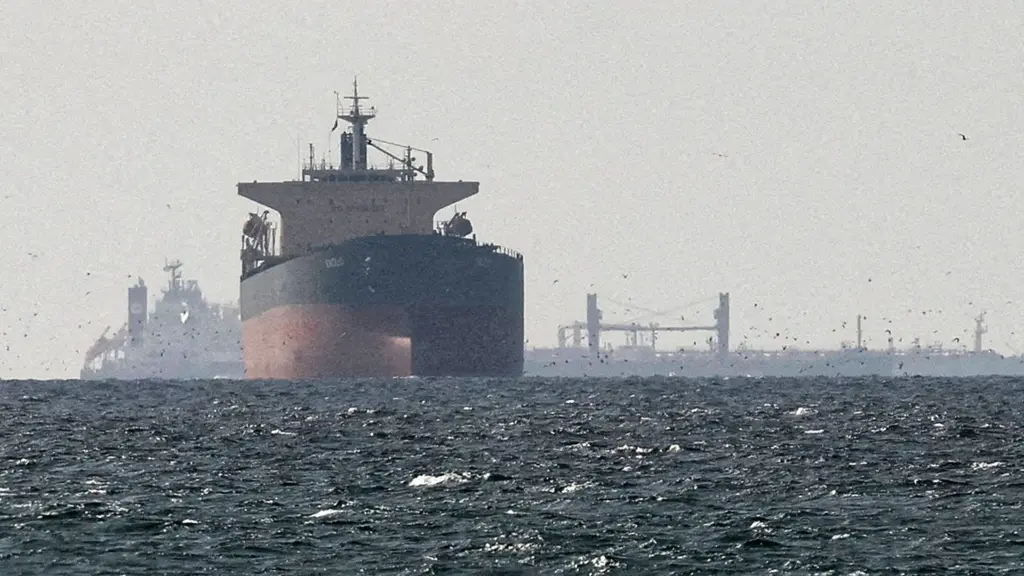
Iran Signals Strait of Hormuz Open as U.S. Maintains Pressure
Tensions in the Middle East remain high as Iran declares the Strait of Hormuz open, even while the United States signals continued military and economic pressure in the region. For Christians watching global developments through the lens of Bible prophecy, this situation underscores the ongoing volatility surrounding one of the world’s most strategic waterways—and its potential implications for global conflict.
According to reporting from The Washington Post, Iranian officials indicated that shipping through the Strait of Hormuz has resumed, despite recent threats and military posturing. At the same time, former President Donald Trump stated that U.S. efforts to restrict Iran’s economic activity would continue until a broader agreement is reached.
This development highlights the fragile balance between de-escalation and confrontation in a region that has long been central to both geopolitical strategy and prophetic interest.
A Critical Global Chokepoint
Why the Strait of Hormuz Matters
The Strait of Hormuz is one of the most vital transit routes in the world, with a significant portion of global oil shipments passing through its narrow corridor. Any disruption to this waterway has immediate consequences for global markets, energy supplies, and international stability.
Iran has repeatedly used the threat of closing the strait as leverage in disputes with Western nations. While officials now say it remains open, the broader situation remains tense, with military forces in the region on high alert.
This back-and-forth messaging reflects a deeper reality: the situation is fluid, and the risk of escalation remains present.
U.S. Strategy: Pressure Without Full-Scale Conflict
Economic and Military Leverage
While Iran signals openness, U.S. leadership has emphasized continued pressure. The strategy appears to focus on maintaining economic restrictions and military deterrence without moving into direct, large-scale conflict.
This approach is designed to force negotiations while avoiding a broader war in the Middle East. However, history has shown that miscalculations in this region can quickly escalate.
As both sides hold firm positions, the international community is watching closely to see whether diplomacy or confrontation will define the next phase.
The Middle East and Bible Prophecy
A Region of Ongoing Significance
For students of Scripture, the Middle East—particularly areas surrounding Israel and key trade routes—remains central to Bible prophecy. While the Strait of Hormuz itself is not specifically named in prophecy, the broader region plays a critical role in end-time events described in passages such as Daniel 11, Ezekiel 38, and Revelation.
Jesus warned in Matthew 24 that the last days would include “wars and rumors of wars.” The ongoing tensions between Iran and the United States, combined with instability across the Middle East, reflect this broader prophetic pattern.
It is important, however, to approach these developments with caution—recognizing trends without prematurely declaring specific fulfillments.
What We Know—and What to Watch
Confirmed Developments
- Iran has stated that the Strait of Hormuz remains open
- The United States continues to apply economic and strategic pressure
- Military tensions in the region remain elevated
Key Questions Moving Forward
- Will negotiations lead to a lasting agreement?
- Could a miscalculation trigger wider conflict?
- How might this impact Israel and surrounding nations?
These are critical questions for both policymakers and those watching through a biblical lens.
Staying Grounded in a Time of Uncertainty
In times like these, it can be easy to become overwhelmed by headlines and speculation. Yet Scripture calls believers to remain watchful, not fearful.
For deeper insight into how global conflicts and Middle East tensions connect to Bible prophecy, readers can explore Middle East Prophecy Explained (https://endtime.com/middle-east-prophecy/) and stay informed through End of the Age+ streaming platform (https://watch.osn.tv/).
Conclusion: Watch, Pray, and Trust
The situation in the Strait of Hormuz serves as a reminder of how quickly global tensions can shift—and how interconnected the world has become.
While the immediate crisis may ease or intensify, the broader trajectory of global instability continues to align with what Scripture describes about the last days.
For believers, the response remains the same: stay informed, remain prayerful, and trust in God’s ultimate sovereignty.
No matter how uncertain the world may appear, God’s plan is steady—and His Word remains true.

 https://www.endtime.com/wp-content/uploads/2026/04/c91a1ad0-3a72-11f1-879d-1b2f5c3919b8.webp
576
1024
Mika Harris
https://www.endtime.com/wp-content/uploads/2022/08/Endtime-Small-Logo-Blue.png
Mika Harris2026-04-17 13:24:532026-04-17 13:24:53Iran says Strait of Hormuz is ‘open’ as Trump says US blockade will continue until deal reached
https://www.endtime.com/wp-content/uploads/2026/04/c91a1ad0-3a72-11f1-879d-1b2f5c3919b8.webp
576
1024
Mika Harris
https://www.endtime.com/wp-content/uploads/2022/08/Endtime-Small-Logo-Blue.png
Mika Harris2026-04-17 13:24:532026-04-17 13:24:53Iran says Strait of Hormuz is ‘open’ as Trump says US blockade will continue until deal reached https://www.endtime.com/wp-content/uploads/2026/04/ac4a69490657b4a5bc4e025fff6108ab77b281f81462bdd6e3a8e1db100cf35c.webp
760
1140
Mika Harris
https://www.endtime.com/wp-content/uploads/2022/08/Endtime-Small-Logo-Blue.png
Mika Harris2026-04-17 12:56:092026-04-17 12:56:09EU and NATO Commit to Deepening Ties, Says von der Leyen
https://www.endtime.com/wp-content/uploads/2026/04/ac4a69490657b4a5bc4e025fff6108ab77b281f81462bdd6e3a8e1db100cf35c.webp
760
1140
Mika Harris
https://www.endtime.com/wp-content/uploads/2022/08/Endtime-Small-Logo-Blue.png
Mika Harris2026-04-17 12:56:092026-04-17 12:56:09EU and NATO Commit to Deepening Ties, Says von der Leyen https://www.endtime.com/wp-content/uploads/2026/04/shutterstock_2407986177.jpg
661
1000
Mika Harris
https://www.endtime.com/wp-content/uploads/2022/08/Endtime-Small-Logo-Blue.png
Mika Harris2026-04-17 12:36:032026-04-17 12:36:03Hamas representatives meet with Egyptian mediators to discuss Trump’s proposed Gaza peace plan
https://www.endtime.com/wp-content/uploads/2026/04/shutterstock_2407986177.jpg
661
1000
Mika Harris
https://www.endtime.com/wp-content/uploads/2022/08/Endtime-Small-Logo-Blue.png
Mika Harris2026-04-17 12:36:032026-04-17 12:36:03Hamas representatives meet with Egyptian mediators to discuss Trump’s proposed Gaza peace plan
Leave a Reply