Pope’s Interfaith Outreach Highlights Growing Push for Global Religious Unity
A recent visit by the head of the Roman Catholic Church to North Africa is drawing renewed attention to the accelerating movement toward global interfaith cooperation—a trend that many Christians are watching closely through the lens of Bible prophecy.
As religious leaders increasingly unite around shared global concerns such as peace, migration, and social stability, questions are emerging about the long-term implications of these efforts. For believers grounded in Scripture, the issue is not simply cooperation, but how unity is defined—and whether it aligns with biblical truth.
Pope’s Visit Emphasizes Christian-Muslim Relations
A Strategic Trip to North Africa
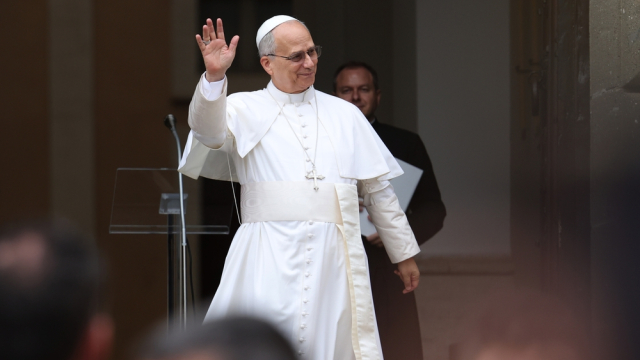
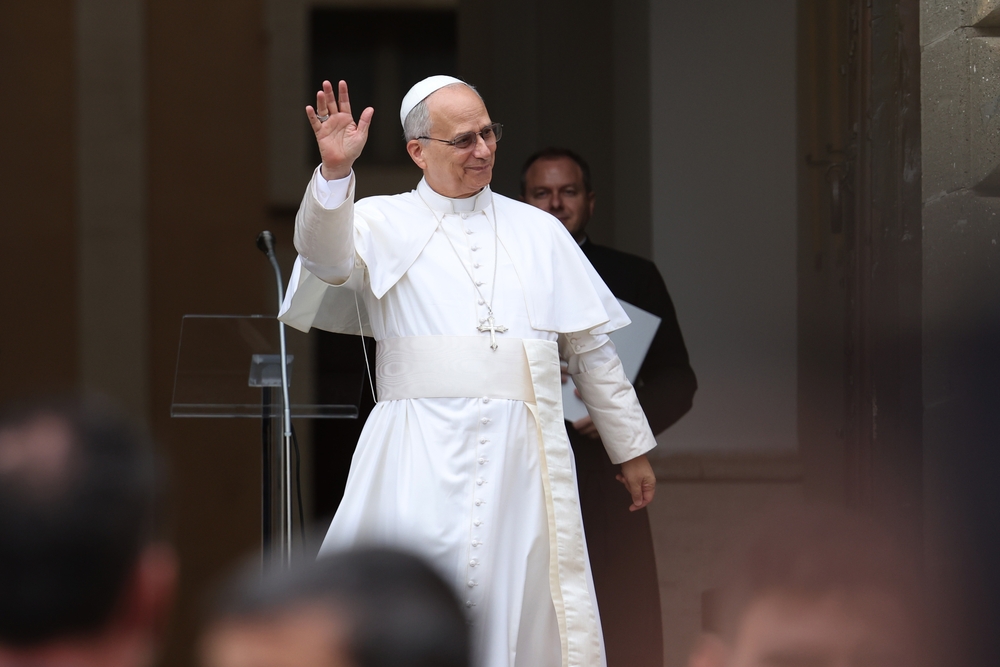
According to reporting from The Guardian’s coverage of the pope’s Algeria visit https://www.theguardian.com/world/2026/apr/13/pope-leo-visits-algeria-africa-tour-catholic-church?utm_source=chatgpt.com), Pope Leo XIV’s recent trip to Algeria focused heavily on strengthening ties between Christians and Muslims.
The visit highlighted Africa’s growing importance in global Christianity while also underscoring the Vatican’s commitment to interfaith dialogue in regions where religious tensions have historically existed.
During the trip, the pope emphasized themes of peace, coexistence, and mutual respect—messages that have become central to recent interfaith initiatives worldwide.
A Broader Pattern of Engagement
This visit is not an isolated event. It reflects an ongoing effort by Catholic leadership to engage other faith traditions through diplomacy and shared humanitarian goals.
From the Middle East to Africa, similar visits and summits have sought to bring religious leaders together to address global challenges. These efforts are often framed as necessary steps toward peace in an increasingly interconnected world.
The Rise of Global Interfaith Cooperation
Shared Goals Across Religious Lines
In recent years, interfaith initiatives have expanded beyond dialogue into coordinated action. Religious leaders are now working together on issues such as:
- Conflict resolution
- Migration and refugee support
- Climate-related concerns
- Economic inequality
These collaborations frequently emphasize common values rather than doctrinal differences, creating a platform for unified messaging on global issues.
While these goals may appear beneficial on the surface, they also signal a shift toward broader religious alignment on a global scale.
Biblical Perspective on Religious Unity in the End Times
A Call for Discernment
Scripture affirms the importance of unity among believers—but it also warns of religious systems that depart from truth.
Revelation 17 describes a powerful, global religious influence that interacts with political authority. Many prophecy teachers interpret this passage as a warning about a future world religion that prioritizes unity over doctrinal truth.
Jesus also cautioned in Matthew 24 that deception would increase in the last days, making discernment essential for believers.
It is important to approach current events carefully:
- Not all interfaith efforts are inherently unbiblical
- Cooperation for peace can reflect godly principles
- However, unity that minimizes the gospel must be examined in light of Scripture
For a deeper understanding of how Bible prophecy addresses global religious trends, readers can explore Endtime’s prophecy resources (https://endtime.com).
What We Know—and What We Don’t
Staying Grounded in Truth
What we know:
- Global interfaith efforts are increasing in visibility and influence
- Religious leaders are working together on major international issues
- The Vatican continues to play a leading role in these initiatives
What we do not know:
- Whether these efforts will evolve into a formalized global religious system
- How closely current developments align with end-time prophecy
- The specific timeline of prophetic fulfillment
Maintaining balance is critical. Christians are called to be watchful, but not speculative.
Watching the Times with Wisdom
As interfaith cooperation continues to expand, believers should remain rooted in biblical truth and guided by discernment. The desire for peace is understandable, especially in a world marked by conflict and uncertainty.
However, Scripture consistently points to Jesus Christ as the foundation of true unity. Any movement that shifts focus away from that foundation must be carefully evaluated.
For ongoing updates and biblical analysis of world events, readers can stay connected through Watch Endtime programming (https://watch.osn.tv).
Conclusion
The pope’s visit to Algeria serves as another indicator of a broader global trend: increasing efforts to unify religions around shared goals. While these initiatives may contribute to dialogue and cooperation, they also raise important questions for those who study Bible prophecy.
In a rapidly changing world, Christians are called to remain informed, discerning, and confident in God’s sovereignty. As global systems—both political and religious—continue to develop, Scripture remains the ultimate guide for understanding the times.
The challenge is not simply to observe these changes, but to respond with wisdom, faith, and a steadfast commitment to truth.

 https://www.endtime.com/wp-content/uploads/2026/04/ac4a69490657b4a5bc4e025fff6108ab77b281f81462bdd6e3a8e1db100cf35c.webp
760
1140
Mika Harris
https://www.endtime.com/wp-content/uploads/2022/08/Endtime-Small-Logo-Blue.png
Mika Harris2026-04-17 12:56:092026-04-17 12:56:09EU and NATO Commit to Deepening Ties, Says von der Leyen
https://www.endtime.com/wp-content/uploads/2026/04/ac4a69490657b4a5bc4e025fff6108ab77b281f81462bdd6e3a8e1db100cf35c.webp
760
1140
Mika Harris
https://www.endtime.com/wp-content/uploads/2022/08/Endtime-Small-Logo-Blue.png
Mika Harris2026-04-17 12:56:092026-04-17 12:56:09EU and NATO Commit to Deepening Ties, Says von der Leyen https://www.endtime.com/wp-content/uploads/2026/04/shutterstock_2407986177.jpg
661
1000
Mika Harris
https://www.endtime.com/wp-content/uploads/2022/08/Endtime-Small-Logo-Blue.png
Mika Harris2026-04-17 12:36:032026-04-17 12:36:03Hamas representatives meet with Egyptian mediators to discuss Trump’s proposed Gaza peace plan
https://www.endtime.com/wp-content/uploads/2026/04/shutterstock_2407986177.jpg
661
1000
Mika Harris
https://www.endtime.com/wp-content/uploads/2022/08/Endtime-Small-Logo-Blue.png
Mika Harris2026-04-17 12:36:032026-04-17 12:36:03Hamas representatives meet with Egyptian mediators to discuss Trump’s proposed Gaza peace plan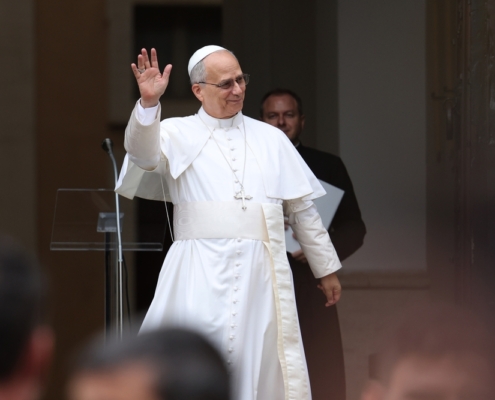 https://www.endtime.com/wp-content/uploads/2026/04/shutterstock_2666910053.jpg
667
1000
Mika Harris
https://www.endtime.com/wp-content/uploads/2022/08/Endtime-Small-Logo-Blue.png
Mika Harris2026-04-17 12:23:082026-04-17 12:23:08Pope Leo visits Algeria in sign of Africa’s growing importance to Catholic church
https://www.endtime.com/wp-content/uploads/2026/04/shutterstock_2666910053.jpg
667
1000
Mika Harris
https://www.endtime.com/wp-content/uploads/2022/08/Endtime-Small-Logo-Blue.png
Mika Harris2026-04-17 12:23:082026-04-17 12:23:08Pope Leo visits Algeria in sign of Africa’s growing importance to Catholic church
Leave a Reply