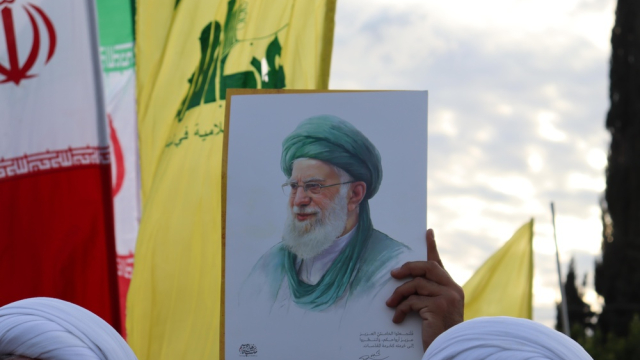
A pause, not an end: What the two-week ceasefire with Iran really means – opinion
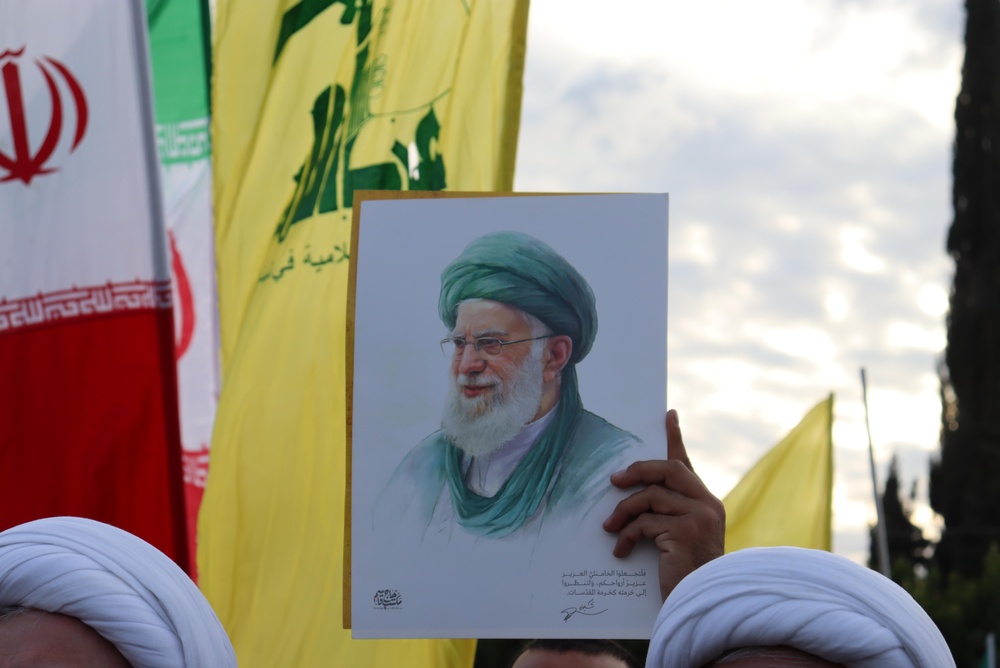
Israel Strikes Deep in Syria as Regional Tensions Continue to Rise
A recent report highlights a significant escalation in the Middle East, as Israel carried out airstrikes deep inside Syria. For Christians watching world events through the lens of Bible prophecy, developments like these are not just geopolitical—they are deeply relevant to understanding the times in which we live.
According to reporting from The Jerusalem Post (https://www.jpost.com/middle-east/article-892375), Israeli forces targeted military infrastructure believed to be connected to Iranian influence in Syria. These actions reflect ongoing efforts by Israel to prevent entrenchment by hostile forces along its northern border.
Growing Military Pressure in the Middle East
Strategic Strikes and Security Concerns
Israel has repeatedly made clear that it will not tolerate the expansion of Iranian-backed forces in Syria. The latest strikes reportedly targeted weapons depots and military assets that could pose a direct threat to Israeli civilians.
This pattern of preemptive defense has become increasingly common as tensions between Israel and Iran continue to intensify. Iranian proxies, including militias operating in Syria and Lebanon, remain a central concern for Israeli leadership.
While details surrounding the full impact of the strikes are still emerging, the broader trend is unmistakable: the Middle East remains on edge, with multiple actors positioned for potential escalation.
A Region on the Brink?
Military analysts often describe the current situation as a “shadow war,” but the frequency and scale of these strikes suggest something more visible and volatile. With ongoing conflicts in Gaza, instability in Syria, and Iranian involvement across the region, the potential for a wider confrontation cannot be ignored.
For believers, this aligns with the warnings of Jesus in Matthew 24, where He spoke of “wars and rumors of wars” as signs preceding the end of the age.
Biblical Context: Watching Without Speculating
What Prophecy Does—and Does Not—Say
Scripture provides a framework for understanding global unrest, but it also cautions against drawing premature conclusions. Passages such as Daniel and Revelation describe end-time conflicts involving nations surrounding Israel, yet they do not give a day-by-day roadmap of current events.
The ongoing instability in Syria and the broader Middle East may be setting the stage for future prophetic fulfillments, but it is important to distinguish between preparation and fulfillment.
Believers should remain watchful, not fearful—discerning, not speculative.
The Central Role of Israel
One consistent theme throughout Bible prophecy is the central role of Israel. The nation’s security challenges, alliances, and conflicts often intersect with prophetic narratives.
Events like these underscore why Israel remains at the center of global attention—and why Scripture places such emphasis on Jerusalem and the surrounding nations in the last days.
For deeper insight into how current events align with prophecy, readers can explore Endtime’s comprehensive teachings on Israel and the end times (https://www.endtime.com/israel/).
What Should Christians Be Watching?
Key Indicators to Monitor
As tensions continue to rise, there are several developments believers should watch closely:
- Increased military coordination or conflict involving Iran
- Expansion of fighting beyond localized regions
- Diplomatic shifts involving major world powers
- Movement toward broader regional or global alliances
Each of these factors could play a role in shaping the prophetic landscape described in Scripture.
For ongoing analysis and breaking updates, readers can watch End of the Age broadcasts on OSN (https://watch.osn.tv/), where current events are examined through a biblical lens.
A Call to Discernment and Prayer
Moments like these remind us that while the world may appear unstable, God’s plan is not. Scripture assures us that He is sovereign over nations, leaders, and history itself.
Rather than reacting with fear, Christians are called to respond with prayer, wisdom, and discernment. As events unfold in the Middle East, believers should remain grounded in God’s Word, attentive to the signs of the times, and confident in His ultimate purpose.
In an increasingly uncertain world, that confidence is not only reassuring—it is essential.

 https://www.endtime.com/wp-content/uploads/2026/04/shutterstock_2756626077.jpg
668
1000
Mika Harris
https://www.endtime.com/wp-content/uploads/2022/08/Endtime-Small-Logo-Blue.png
Mika Harris2026-04-08 10:23:142026-04-08 10:23:14A pause, not an end: What the two-week ceasefire with Iran really means – opinion
https://www.endtime.com/wp-content/uploads/2026/04/shutterstock_2756626077.jpg
668
1000
Mika Harris
https://www.endtime.com/wp-content/uploads/2022/08/Endtime-Small-Logo-Blue.png
Mika Harris2026-04-08 10:23:142026-04-08 10:23:14A pause, not an end: What the two-week ceasefire with Iran really means – opinion https://www.endtime.com/wp-content/uploads/2024/05/shutterstock_2385270411-2-scaled.jpg
1704
2560
John Little
https://www.endtime.com/wp-content/uploads/2022/08/Endtime-Small-Logo-Blue.png
John Little2026-04-08 09:43:172026-04-08 09:43:17Peace or Pause? Trump’s Iran Ceasefire Highlights Fragile Calm in a Volatile Region
https://www.endtime.com/wp-content/uploads/2024/05/shutterstock_2385270411-2-scaled.jpg
1704
2560
John Little
https://www.endtime.com/wp-content/uploads/2022/08/Endtime-Small-Logo-Blue.png
John Little2026-04-08 09:43:172026-04-08 09:43:17Peace or Pause? Trump’s Iran Ceasefire Highlights Fragile Calm in a Volatile Region https://www.endtime.com/wp-content/uploads/2026/04/shutterstock_2720769139.jpg
656
1000
Mika Harris
https://www.endtime.com/wp-content/uploads/2022/08/Endtime-Small-Logo-Blue.png
Mika Harris2026-04-07 23:05:092026-04-07 23:05:56Trump pauses Iran strikes for two weeks to negotiate 10-point peace deal
https://www.endtime.com/wp-content/uploads/2026/04/shutterstock_2720769139.jpg
656
1000
Mika Harris
https://www.endtime.com/wp-content/uploads/2022/08/Endtime-Small-Logo-Blue.png
Mika Harris2026-04-07 23:05:092026-04-07 23:05:56Trump pauses Iran strikes for two weeks to negotiate 10-point peace deal
Leave a Reply